


 6 Photos
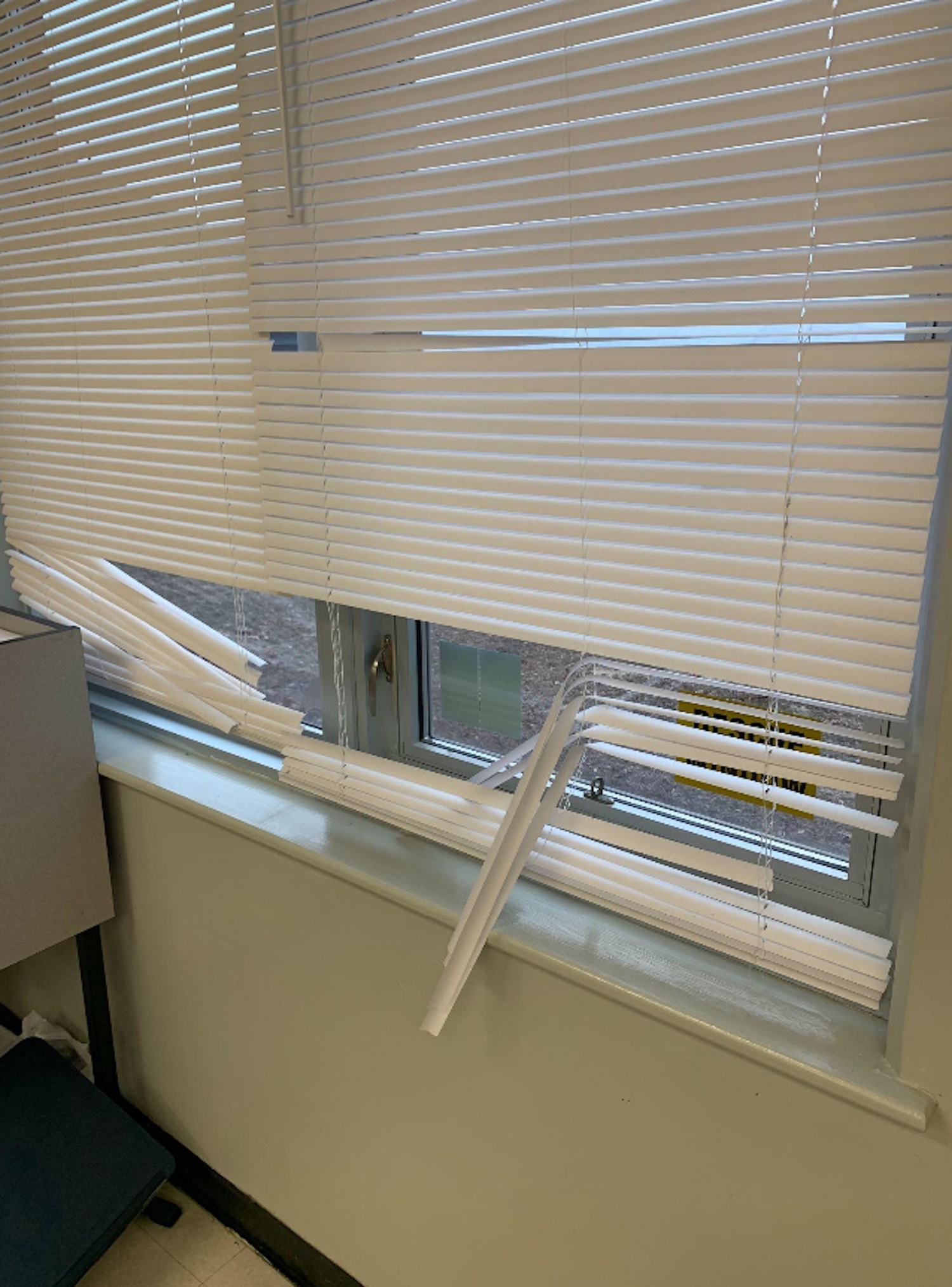
The existing blinds in 21 classrooms are broken and inoperable. SPRINGS SCHOOL DISTRICT
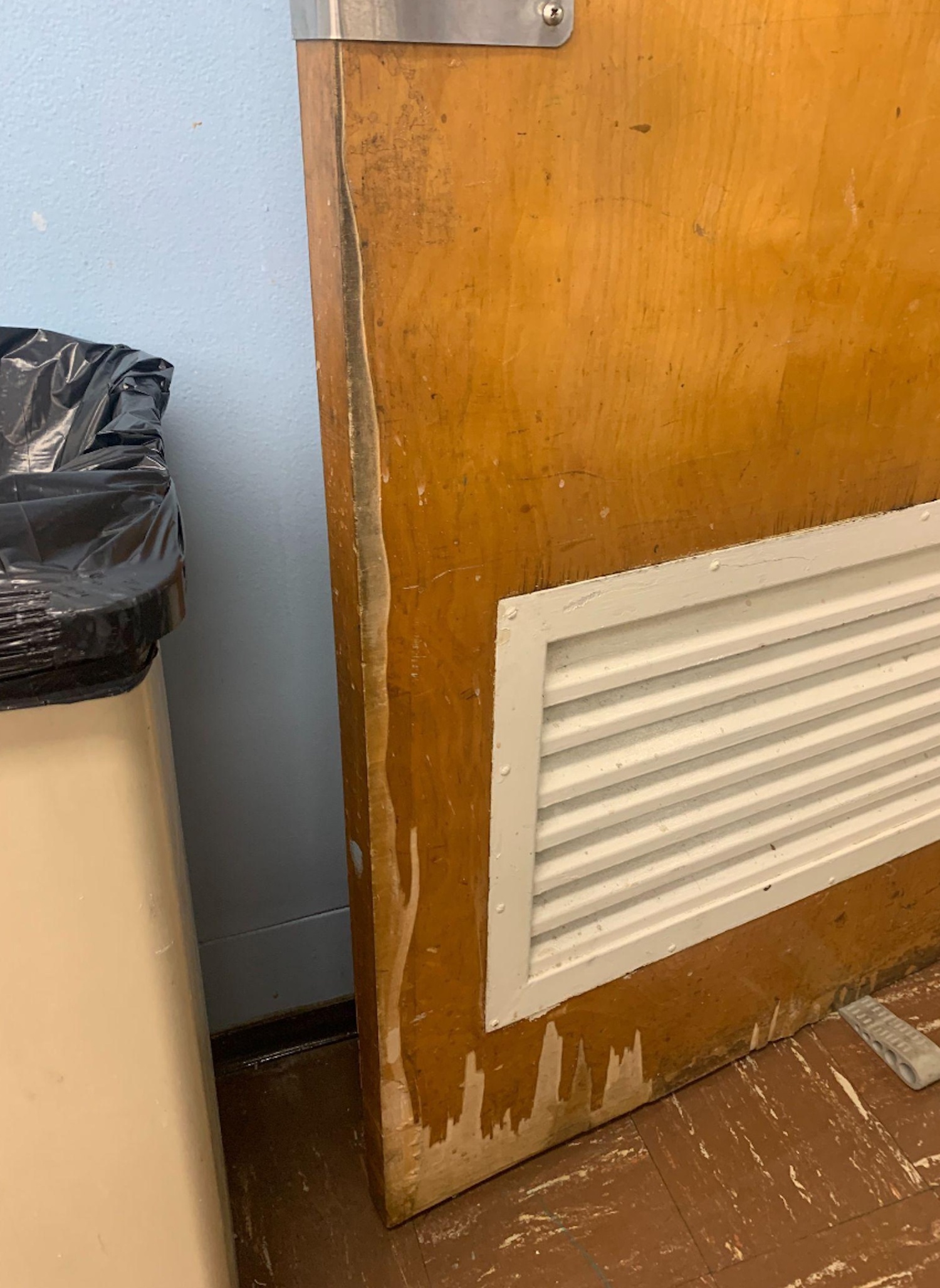
The existing doors in 19 classrooms are scratched and cracked. SPRINGS SCHOOL DISTRICT
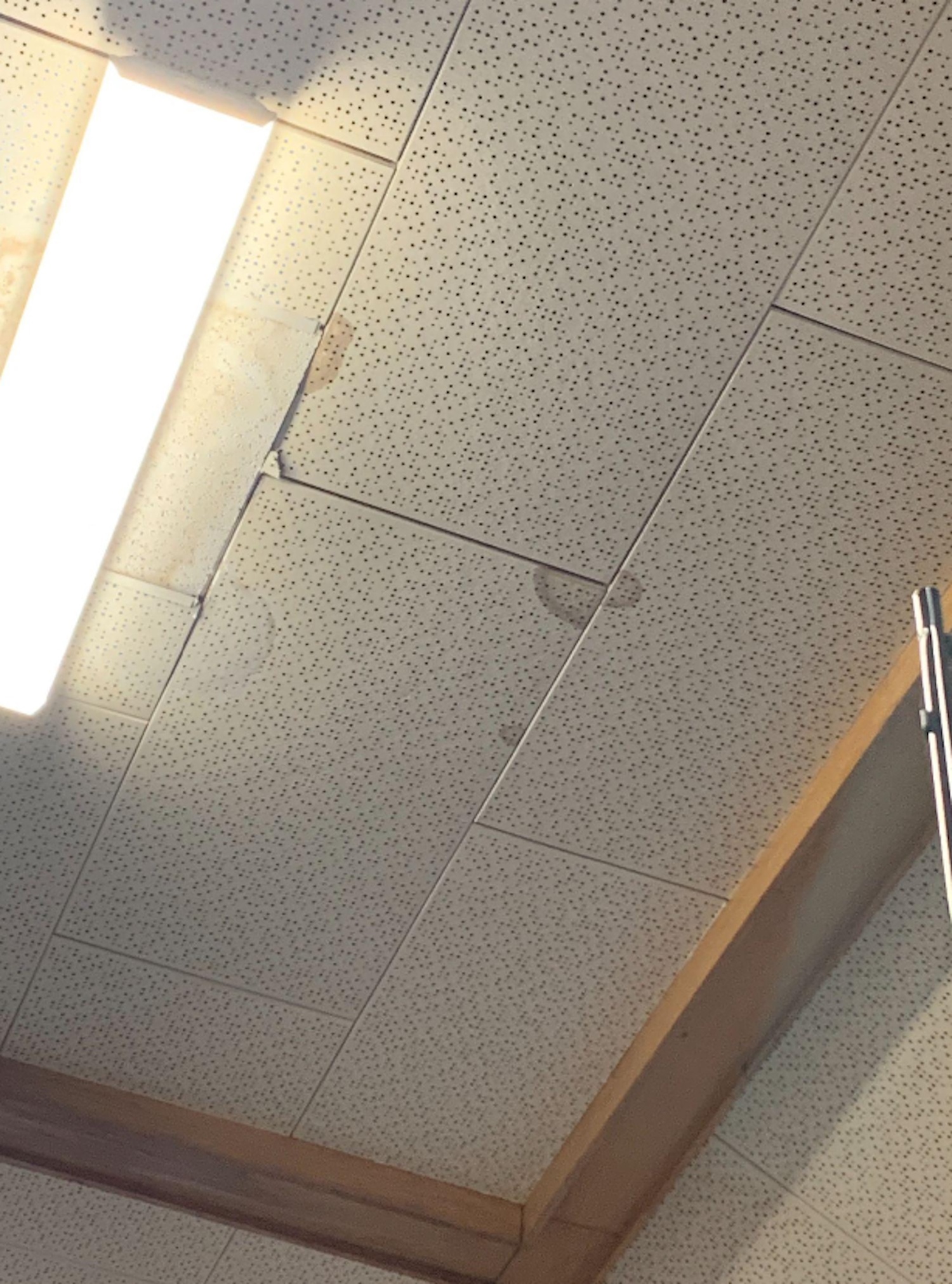
The existing library room ceiling is stained and impossible to properly maintain. SPRINGS SCHOOL DISTRICT
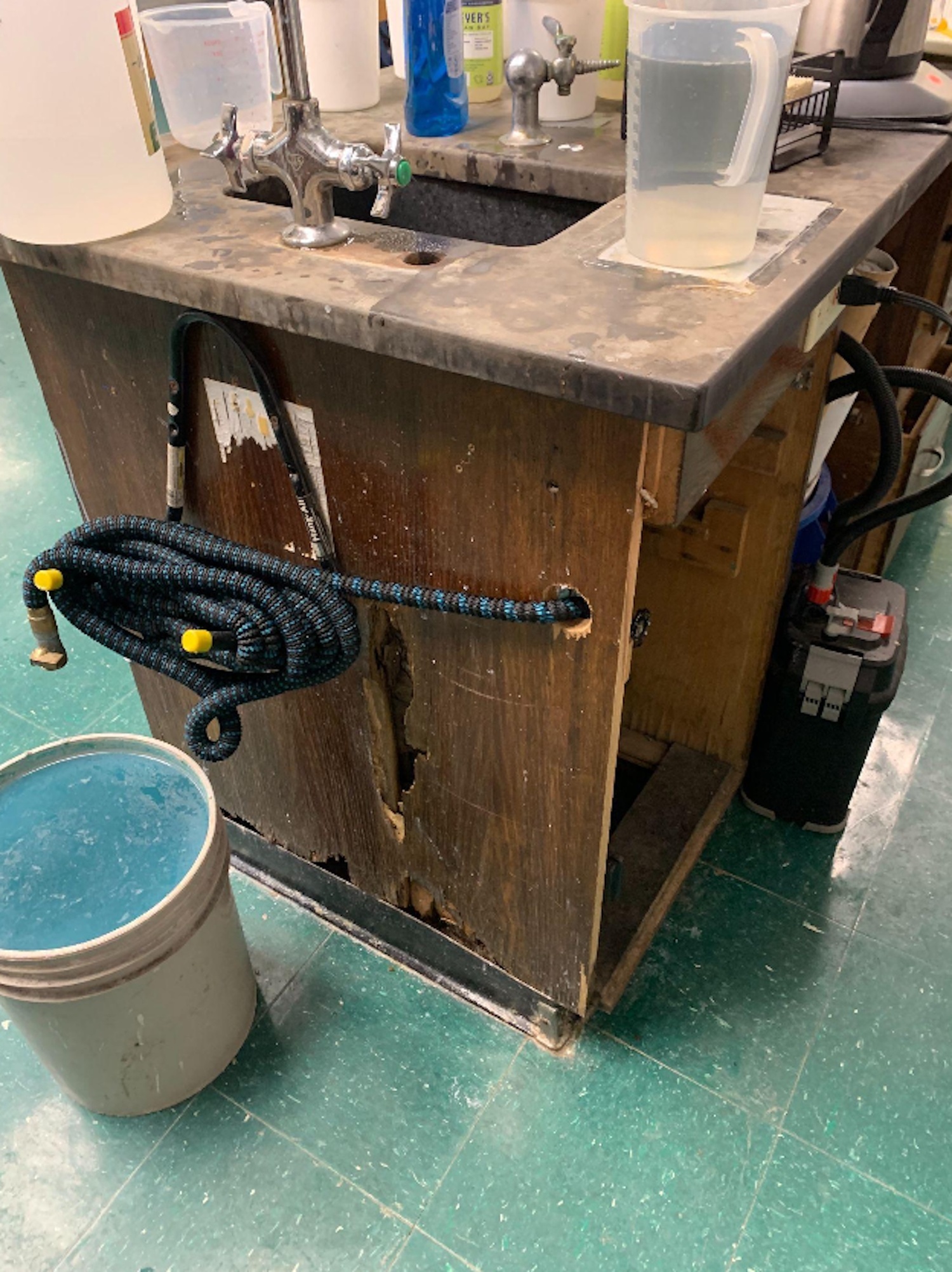
An existing science teacher demonstration desk is broken and badly worn. SPRINGS SCHOOL DISTRICT
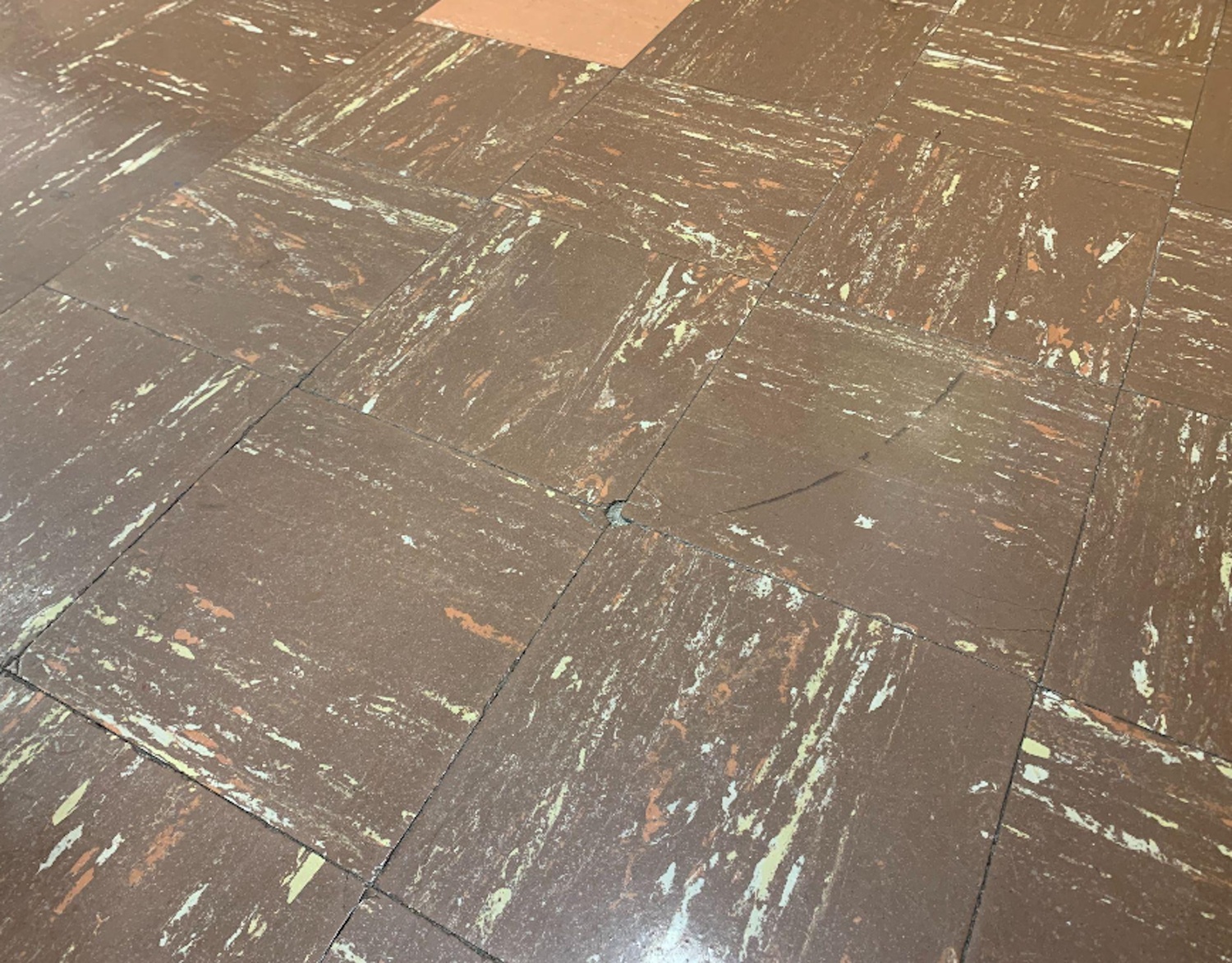
The existing 9-by-9 floor tile in nine classrooms contain asbestos and are, in places, cracking. SPRINGS SCHOOL DISTRICT
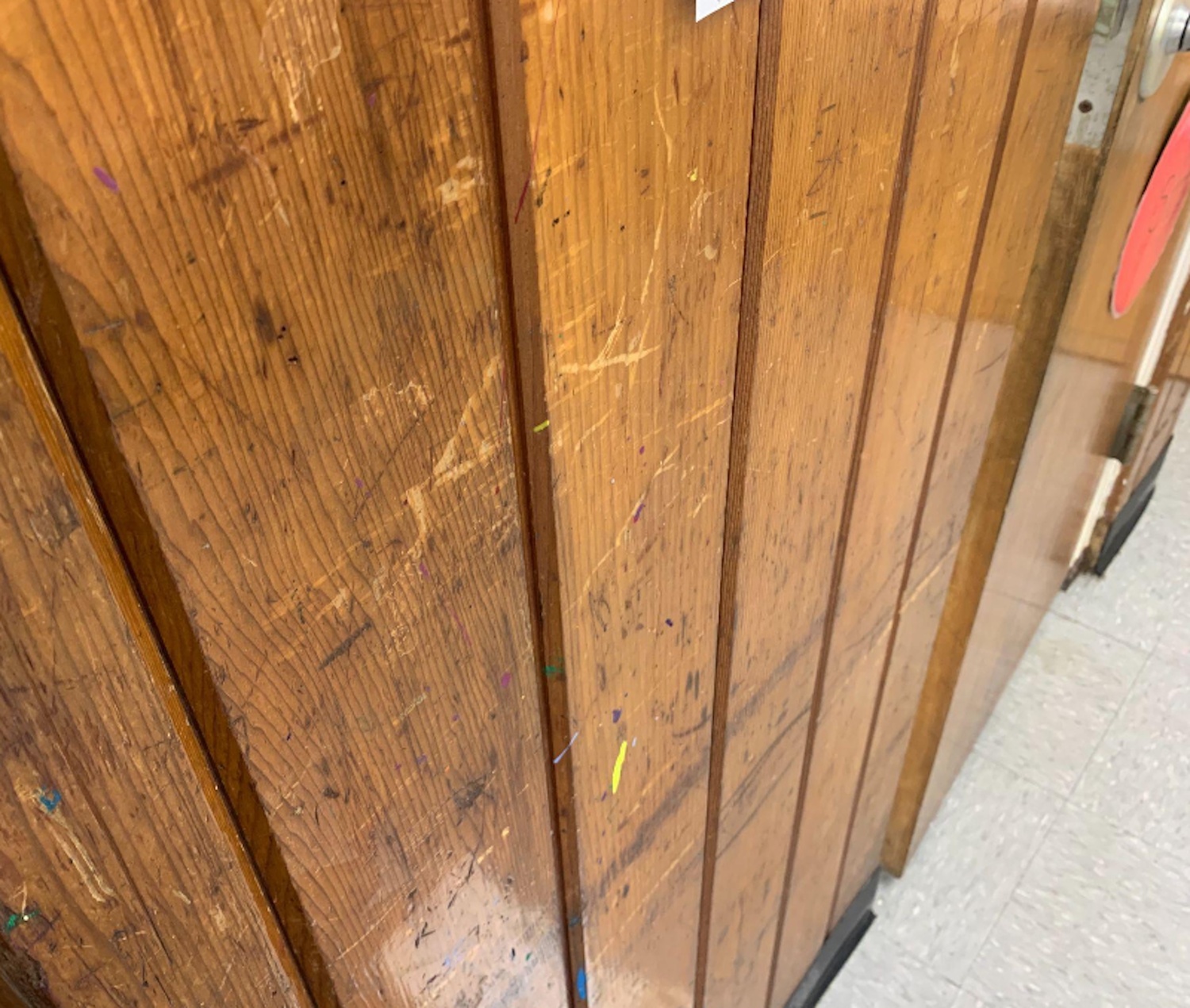
Wood paneling throughout the building is stained and scratched. SPRINGS SCHOOL DISTRICT
The Springs Board of Education approved pulling $333,178 out of the district’s repair reserve fund to pay for floor and ceiling tiling, wood paneling, doors, blinds and a science demonstration desk replacement, along with the removal of trees on school property.
The repair reserve fund, which acts as a savings account, can only be used for work on things that are decayed, deteriorated, weathered, broken, torn or inoperable. Accessing the funds requires a public hearing, which was held at the start of the February 11 board meeting. As of January 1, there was $572,011 remaining in the fund.
“Using the repair reserve is a good way to keep problems from building up and building up and building up to where one day you need to do a major bond project to rectify the situation,” Business Official Sam Schneider said. “We can accomplish things when they are sized small.”
The existing 9-inch-by-9-inch floor tiles in nine classrooms contain asbestos and are, in places, cracking.
While one contractor monitors the air quality, a second contractor will remove all asbestos material, and will necessitate the use of air handling equipment and ventilation for the duration of the asbestos removal process. Following removal, a third contractor will install new floor tile. The project, the most costly of the bunch, comes in at $135,312.
Also at the top of the list is the removal of a number of trees near the building that are dead or dying. The building and its occupants are at risk of damage or injury if the trees fall. The trees will be removed or thinned as appropriate depending on the tree, for $42,768.
Wood paneling throughout the building that is stained and scratched will be sanded and painted or stained for $40,448, and existing ceiling tiling in the library that is stained and impossible to properly maintain will be replaced with new materials after making sure that there are no ongoing leaks, for $37,952.
“The library ceiling looks like a drop ceiling, but it’s not — it’s adhered directly to the subsurface. We’re going to put in a new system,” Schneider said. “I know there was some concern about whether or not it would change the acoustics of the room, but we’re fairly confident it’s going to work, and if there’s any issues afterward, we will address that.”
Existing doors in 19 classrooms are scratched and cracked, and will be switched with new ones at a cost of $35,163; existing blinds in 21 classrooms that are broken and inoperable will be swapped with new units for $27,316 and a science teacher demonstration desk that is broken and badly worn will be changed for one with better science instructional opportunities at a cost of $14,219.
“It’s a win-win from a safety, aesthetic and cost standpoint,” board President Erik Fredrickson said. “We’re doing preventative maintenance. This money is going to good use.”


