


 1 Photo
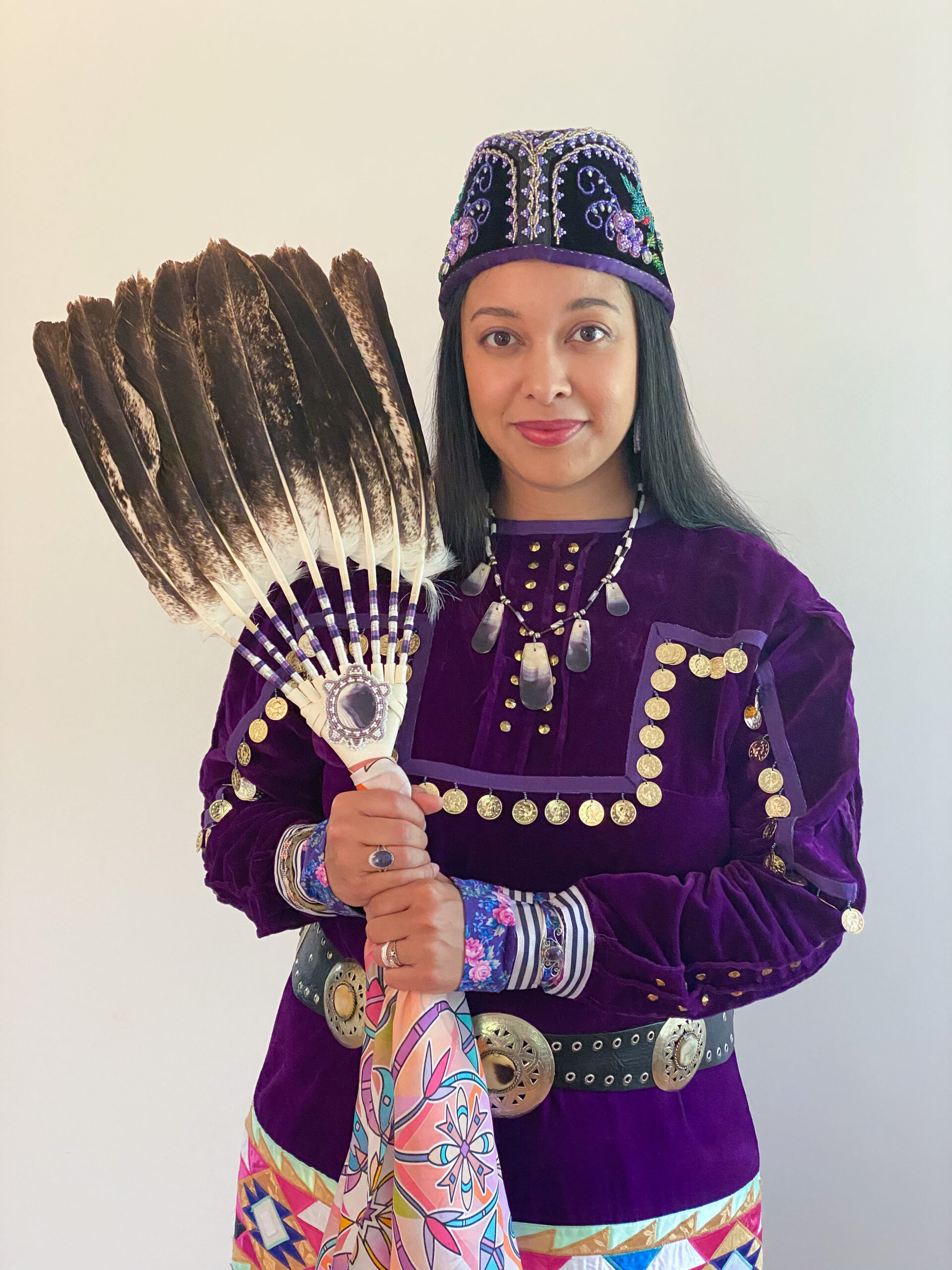
Dennis will be taking on a position in the first-ever Department of the Interior Secretary's Tribal Advisory Committee. ULF SKOGSBERGH
Kelly Dennis was in the midst of planning the ticketing for the Shinnecock Nation’s 76th annual Labor Day weekend Powwow when she received a letter notifying her that she had been selected to be part of the U.S. Department of the Interior’s Secretary’s Tribal Advisory Committee.
“I was just overwhelmed with pride for myself and for my nation,” Dennis said of her reaction to the news.
Dennis, an enrolled tribal member of the Shinnecock Nation, as well as an attorney and secretary of the Shinnecock Council of Trustees, will serve as a primary member of the committee for a two-year term which began upon her notification on June 15, with meetings beginning either before or after the Powwow — so, in late August or early September.
“[I’m] hoping to be able to have more of a spotlight on a lot of the issues that we’re dealing with,” Dennis said. “A lot of that has to do with self-government and tribal sovereign rights, jurisdiction over lands and people.”
The committee formally establishes a mechanism for consultation and collaboration with tribal leaders and federal agencies on issues and decisions affecting tribal members. Dennis will represent not only the Shinnecock Nation, but also the Eastern Region, an area made up of 34 federally recognized tribes, each different and faced with unique issues, and 62,000 tribal members.
“We really would like for the Department of the Interior to uphold, promote and defend tribal sovereignty to the fullest extent,” Dennis said, of her goals in this position. “There’s also a major priority for restoration and protection of tribal homelands. We want to make sure that existing laws are defended and that our trust obligations are defended.”
Dennis also spoke of prioritized and increased funding for federal fiduciary obligations, investment in tribal infrastructure and removing barriers to economic development to strengthen tribal economies. And there’s cultural protection of sacred sites as well as protecting the environment and responding to the impacts of climate change.
For the Shinnecock Nation, which only became federally recognized in 2010, this new role and increased communication with the DOI offers federal attention on issues that the nation has had difficulty getting the government to focus on.
Secretary of the Interior Deb Haaland, who will meet with tribal leaders directly in this committee, made history when she became the first Native American to serve as a cabinet secretary.
“[It’s] meaningful that she is bringing in tribal leaders who are passionate about issues and making sure that communications are facilitated to exchange views and share information,” Dennis said. “And live up to those intergovernmental responsibilities of the Department of the Interior and be able to really demonstrate that commitment to upholding treaties, statute regulations and executive orders that sometimes get ignored or there’s action on them without consultation or tribal representatives at the table discussing how those can impact tribes.”
Dennis expressed gratitude to the Niamuck Land Trust, founded by members of the Shinnecock Nation Graves Protection Warrior Society, and the Shinnecock Kelp Farmers, who are growing sugar kelp to combat ocean acidification — both groups wrote letters of recommendation to the DOI for the advocacy and work Dennis has done.


