


 3 Photos
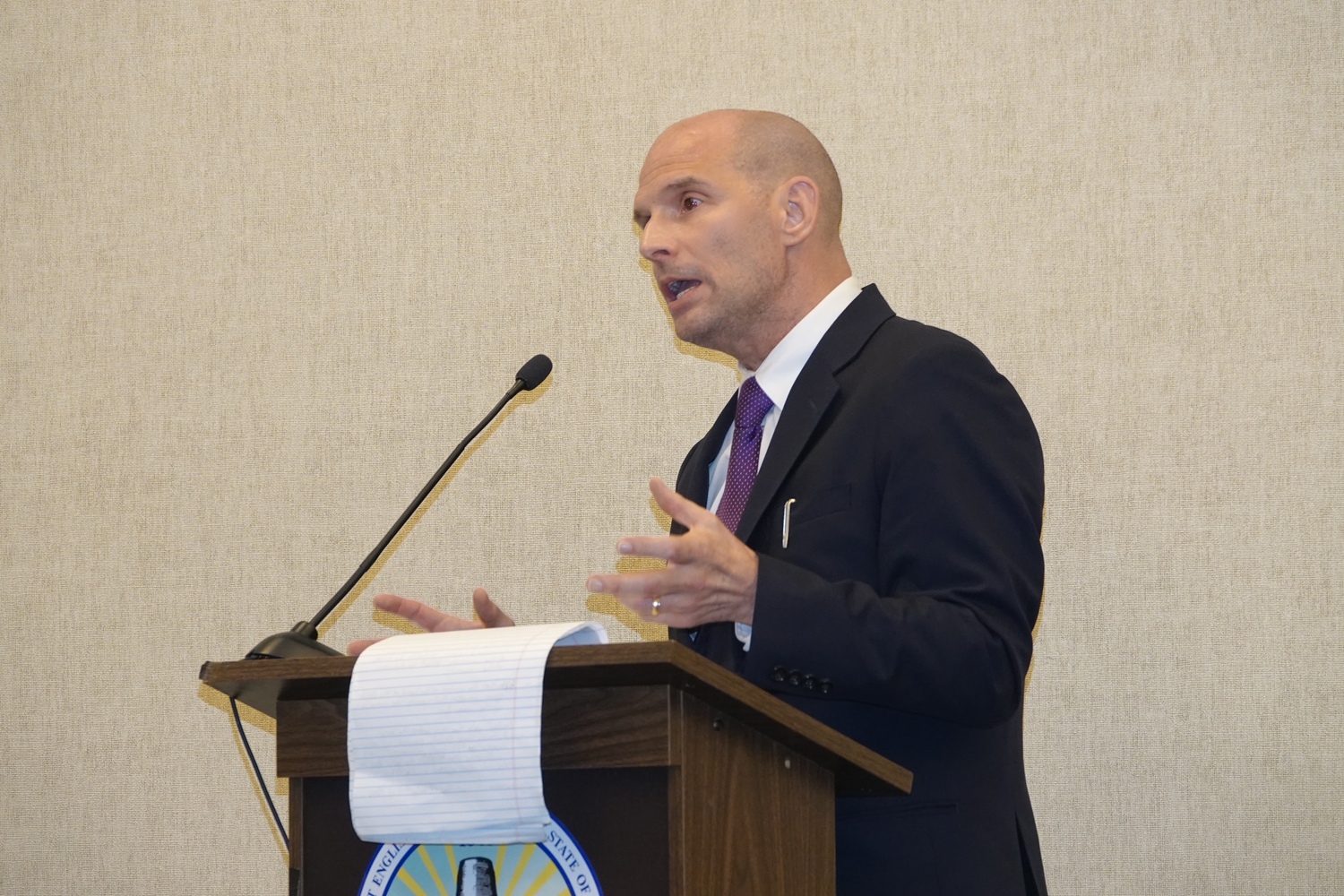
John Leonard said that the Pattern Book, with some minor tweaks, would give the town a sound roadmap to remaking downtown Hampton Bays. MICHAEL WRIGHT

Ray D'Angelo said that the Pattern Book would encourage high-density development with multi-family residential components and buildings taller than local residents want to see. MICHAEL WRIGHT
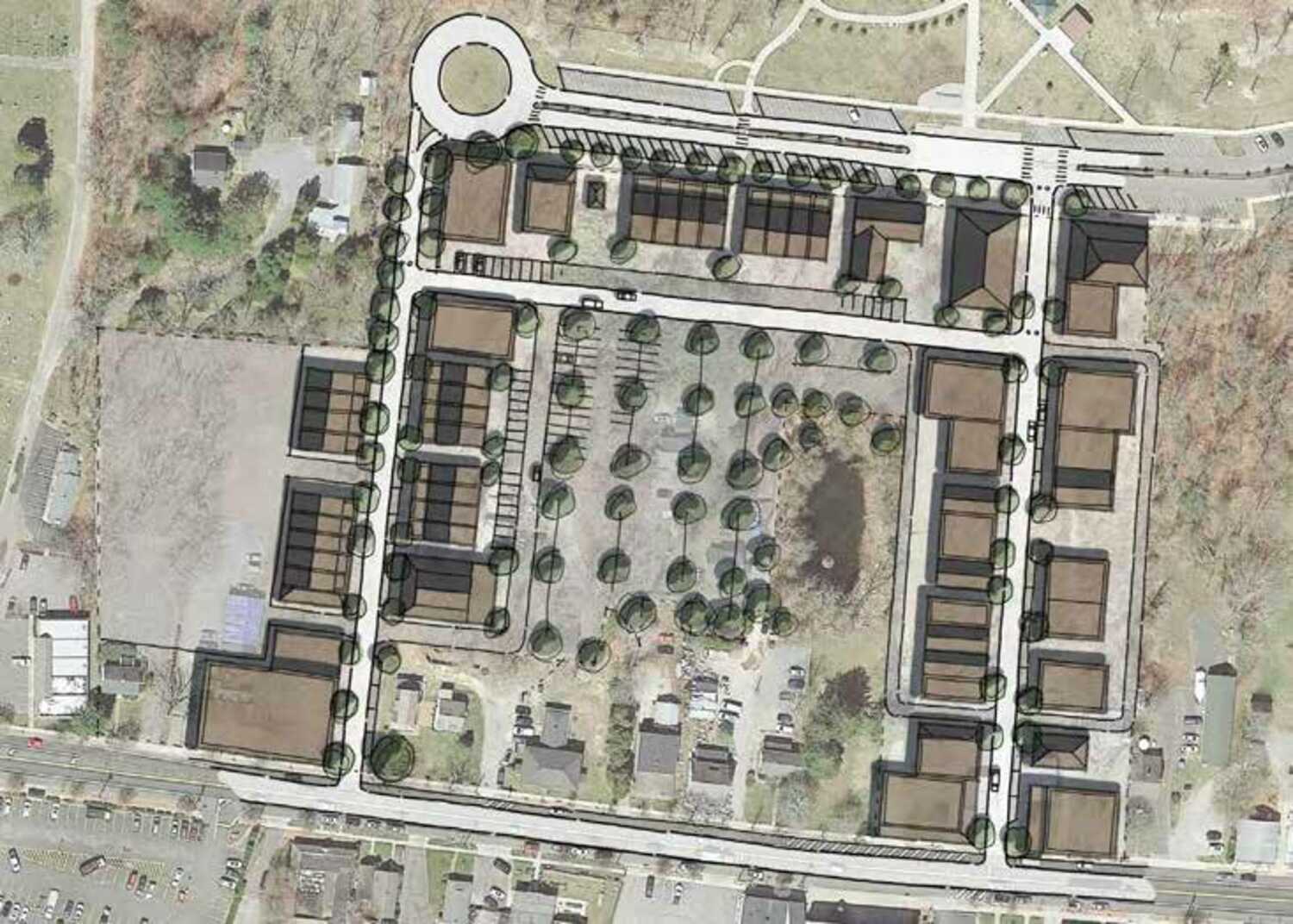
The latest version of the Hampton Bays Pattern Book includes an appendix with a concept plan for new development between Main Street and Good Ground Park that some residents blanched at because it appeared to show two new roads running between the park and the street. But planners say those would not be actual streets open to vehicles except in emergency.
A smattering of Hampton Bays residents this week continued to bristle at the long-term planning document that Southampton Town officials hope to fold into the town Comprehensive Plan to help guide the beleaguered effort to revitalize the hamlet’s downtown.
Residents applauded the guidelines in the so-called pattern book on architectural style, streetscape designs and conceptual suggestions for how the downtown could be remade into a more pedestrian-friendly region linked to Good Ground Park — the goal that has driven the vision for the future hamlet since the park itself was created more than a decade ago.
But critics said that references to building heights of up to 50 feet and proposals for multifamily housing in new mixed-use structures did not jibe with what residents have told the town they want to see in the downtown.
Some also blasted what appeared to be the creation of new streets in a new conceptual design running between Good Ground Park and Main Street — though town planners said those streets would be blocked by bollards and would not be used by vehicles, except in emergencies.
Ray D’Angelo, president of the Hampton Bays Civic Association, said that some of the dimensional and planning suggestions in the pattern book seem to ignore the sentiments of residents expressed during public input sessions in 2016 and 2017, which he claimed roundly rejected multifamily housing and high-density development.
But the version of the planning document that the town has proposed re-adopting — the original was shelved by a lawsuit challenging the town’s planning process — would encourage a developer to seek both, he said.
“Adopting the pattern book into the Comprehensive Plan will provide for a developer to propose high-density, multifamily buildings greater than 35 feet in downtown Hampton Bays currently zoned for village business,” D’Angelo barked at the Town Board on Tuesday afternoon, July 9. “There has been clear opposition to this kind of development in the community.”
Gayle Lombardi, another member of the Civic Association and the plaintiff in a lawsuit that derailed the previous effort at a revitalization plan, said the pattern book is “fabulous,” but that four specific details need to be removed.
All references to buildings of more than 2.5 stories or over 35 feet in height, any multifamily residential housing, and the creation of new streets running between the park and Main Street must be removed for it to win the support of those concerned about overdevelopment contaminating the effort to revitalize the downtown, she said.
“We all love the architectural suggestions,” Lombardi said of the sections of the plan that catalog dozens of building designs that it suggests should be employed in creating new extensions to the downtown while maintaining the look of a hamlet that developed over time. “We are hoping you will take out some very unfavorable portions and move forward.”
Linda Wells, whose family has lived on a property bordering the park for five generations, said that Hampton Bays residents cherish the park but do not want to see tall buildings towering over it.
Others, however, told the board that flexibility in development patterns was going to be necessary if the effort to actually bring hustle and bustle back to the downtown, with the benefits a vibrant business district would have for the entire hamlet, is to work.
“There is great support for the revitalization of Hampton Bays,” said John Leonard. “Hampton Bays residents want a vibrant, walkable, [pedestrian friendly] downtown.
“I know that some will say that this is opening the door to high-density development,” he added. “This is not doing that. This protects the character of the community. I find it interesting that people who claim to be advocating for the community are blinded to something that will protect the character of the community.”
Alfred Caiola, the developer who has purchased much of the land that is the focus of the downtown revitalization discussion, said that the concepts embraced by the town must have the flexibility to adjust to the financial needs of whoever is expected to invest in the redevelopment of the flagging business district.
“I made this significant investment … to fulfill my longstanding dream that Hampton Bays could have a vibrant, thriving downtown, while maintaining its quaint maritime charm,” Caiola said. “I welcome the collaborations that are in this document, which offers a fresh start and the opportunity to achieve something truly wonderful for our hamlet.
“But there are limits to what I will be able to do,” he added. “And this zoning book must permit and promote financial investment that makes financial sense and is informed by market conditions.
“If the town and community want to see the kind of investment that will provide the vibrant walkable downtown we’ve talked about all these years, the numbers need to add up.”
Councilman Tommy John Schiavoni noted that nothing in the pattern book, if it is adopted into the Comprehensive Plan, would impact current town zoning codes or dictate any town specific policy with regard to new development.
Town Planning Director Janice Scherer noted that the town has discussed creating a new zoning overlay for the downtown to help steer actual new development but that the discussions have not advanced to the point of discussing specific code changes.
Supervisor Maria Moore asked that the Town Board hold another work session discussion of the pattern book before adopting the final version.
“There are a lot of things that are welcomed, seemingly, by the community,” she said. “But there are some issues.”


 Michael Wright on Jul 10, 2024