



 10 Photos
Andreas Lindberg has a career winning percentage of .706 across 18 seasons. He is currently coaching at Seton Hall. COURTESY SETON HALL UNIVERSITY

Andreas Lindberg has a career winning percentage of .706 across 18 seasons. He is currently coaching at Seton Hall. COURTESY SETON HALL UNIVERSITY
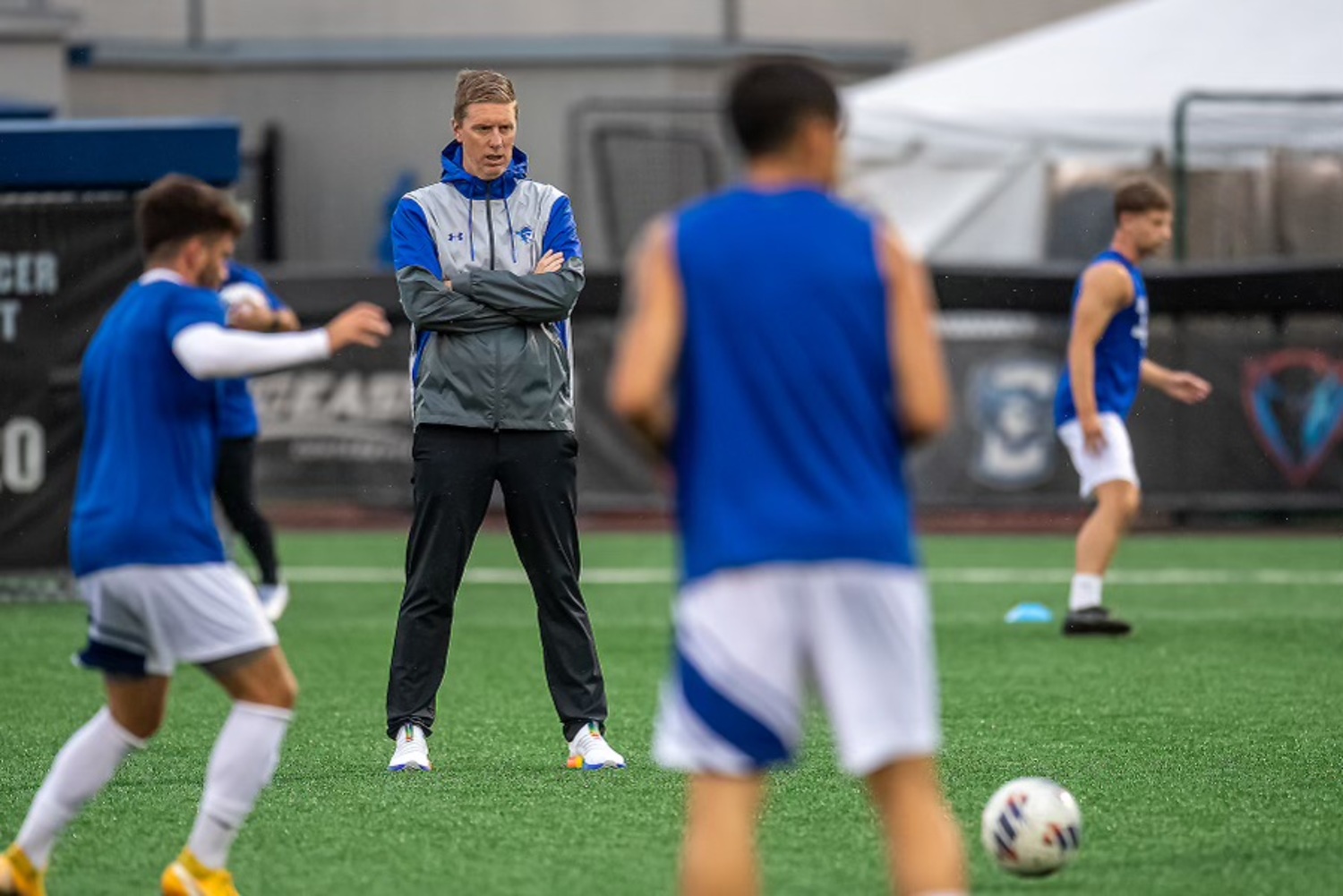
Andreas Lindberg has a career winning percentage of .706 across 18 seasons. He is currently coaching at Seton Hall. COURTESY SETON HALL UNIVERSITY
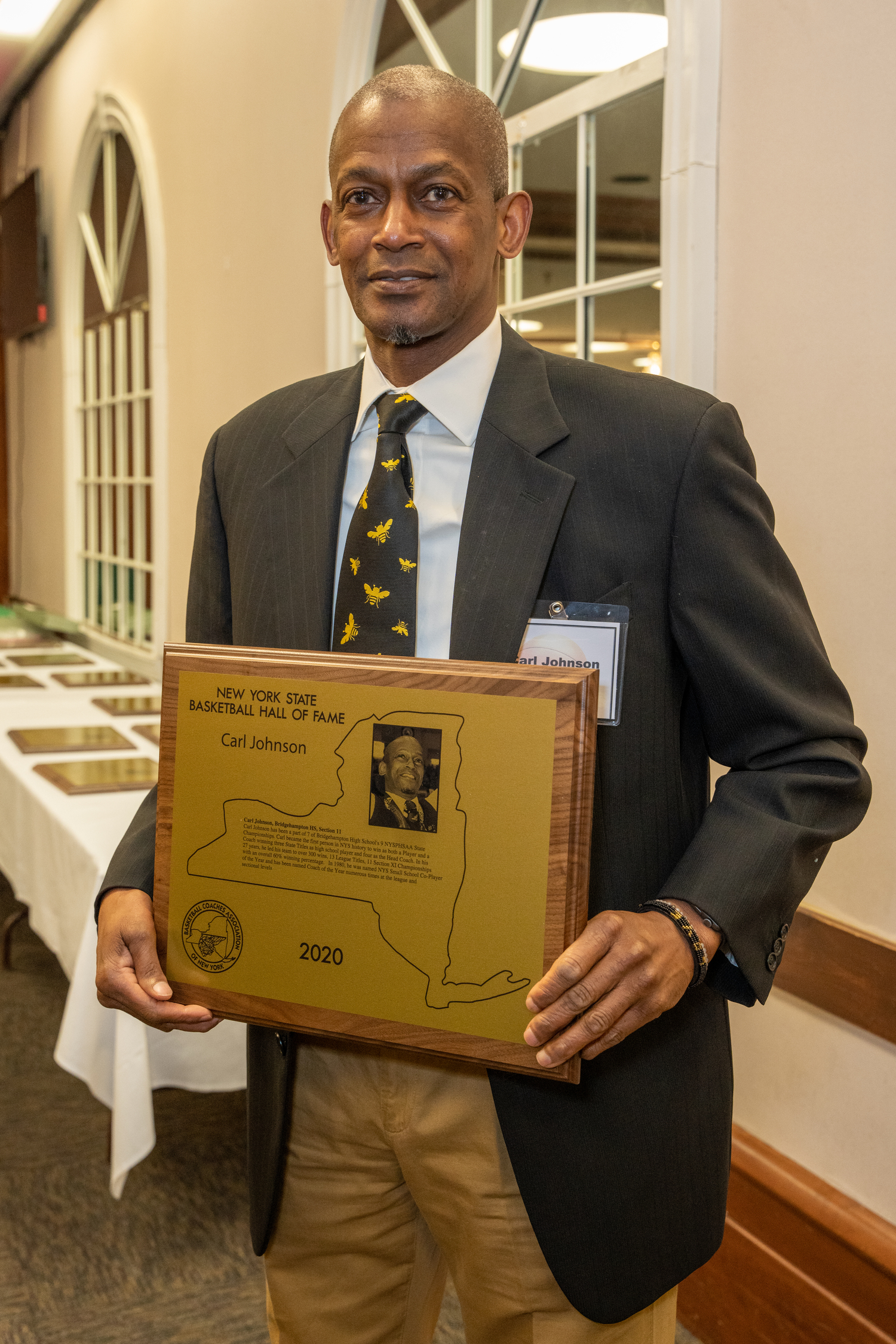
Carl Johnson.
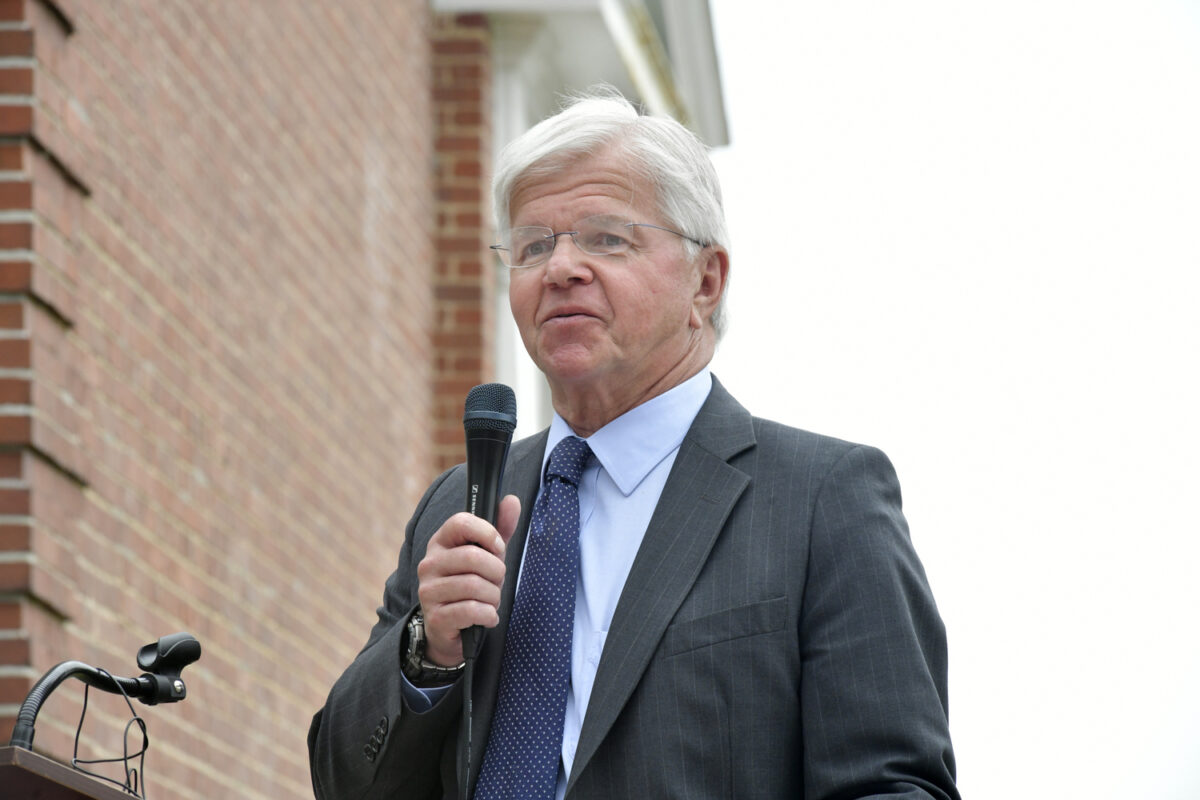
New York State Assemblyman Fred Thiele Jr.
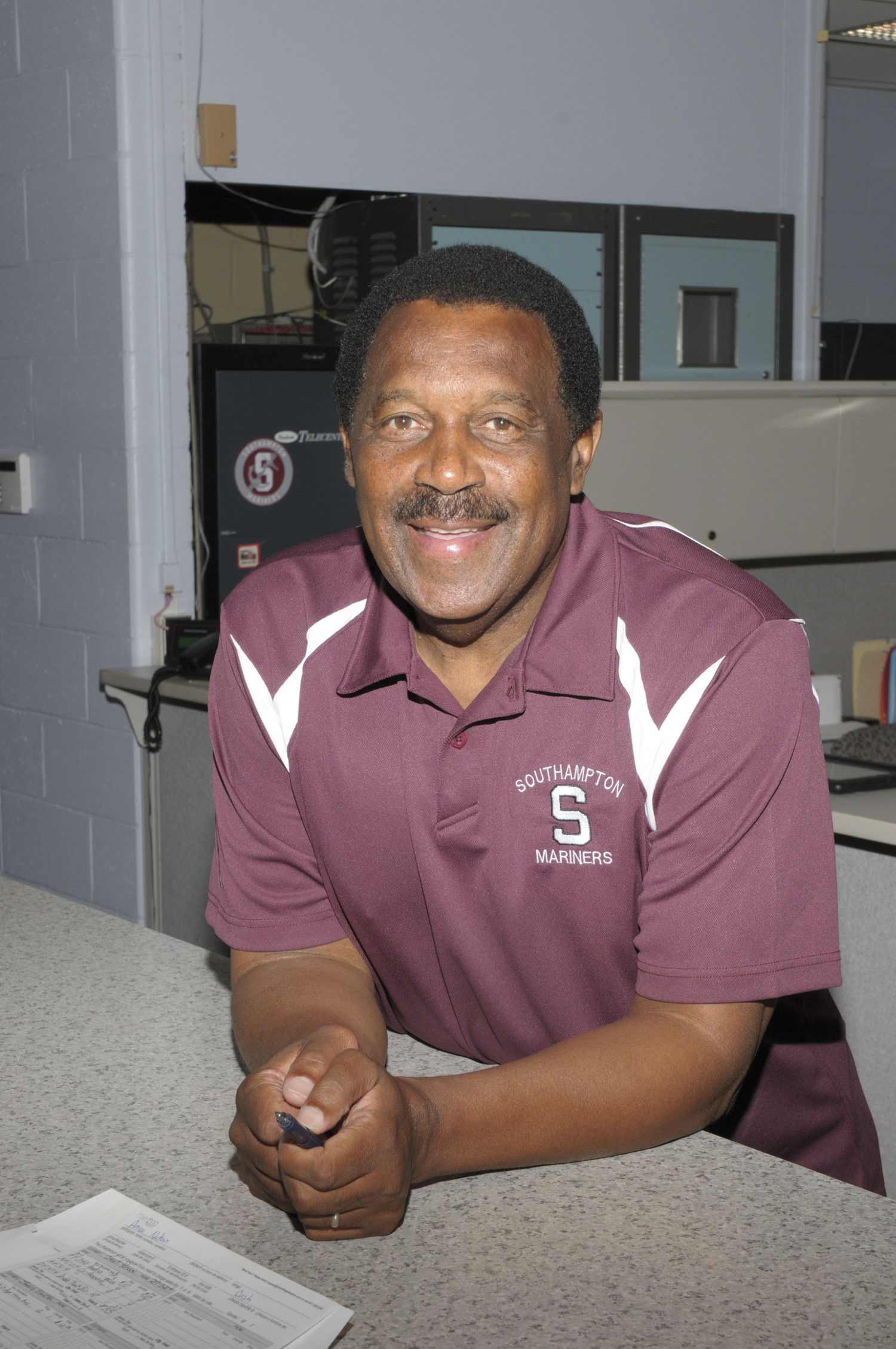
Richard “Juni” Wingfield
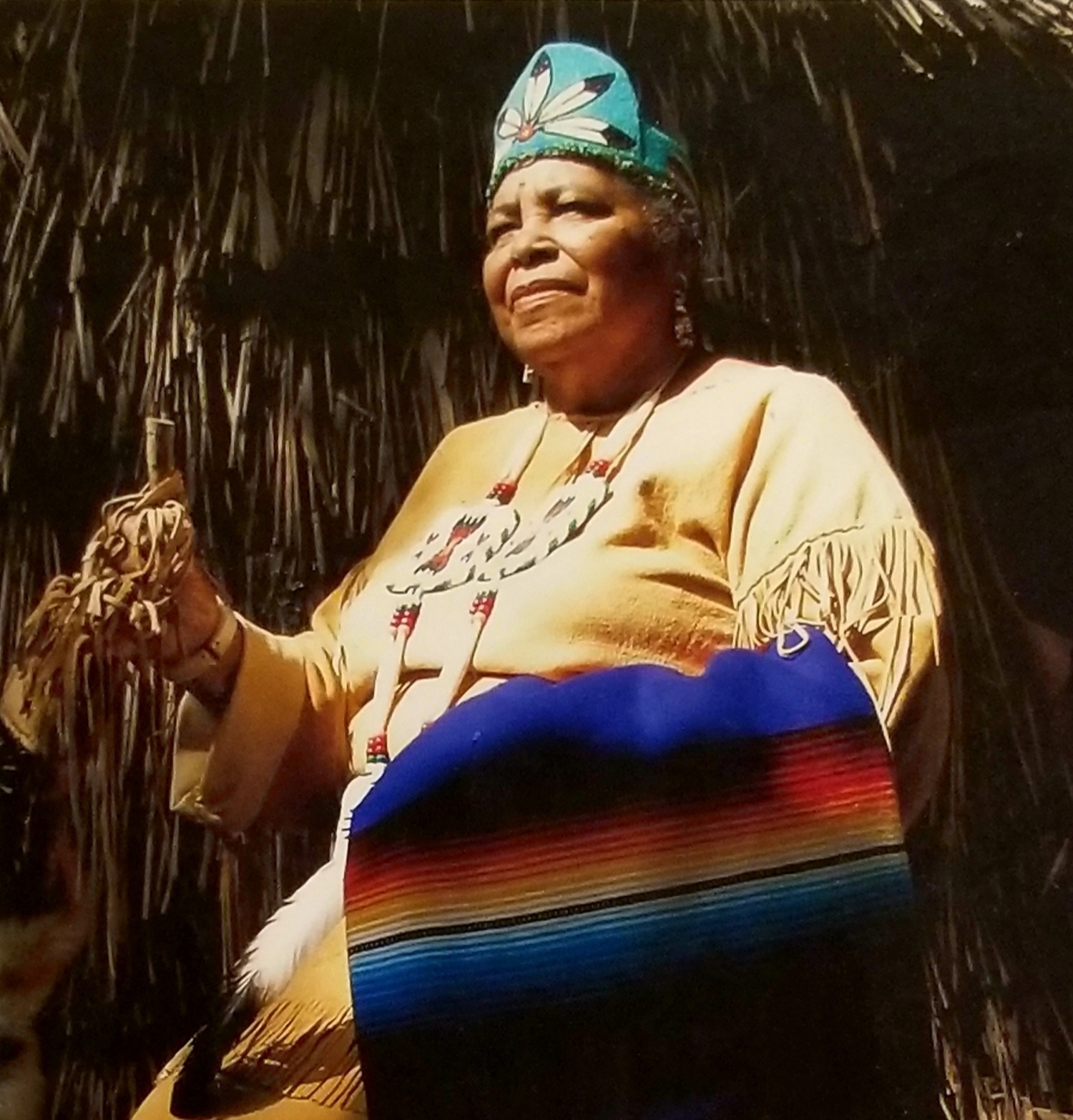
Harriett Crippen Brown Gumbs

Sandy Shumway
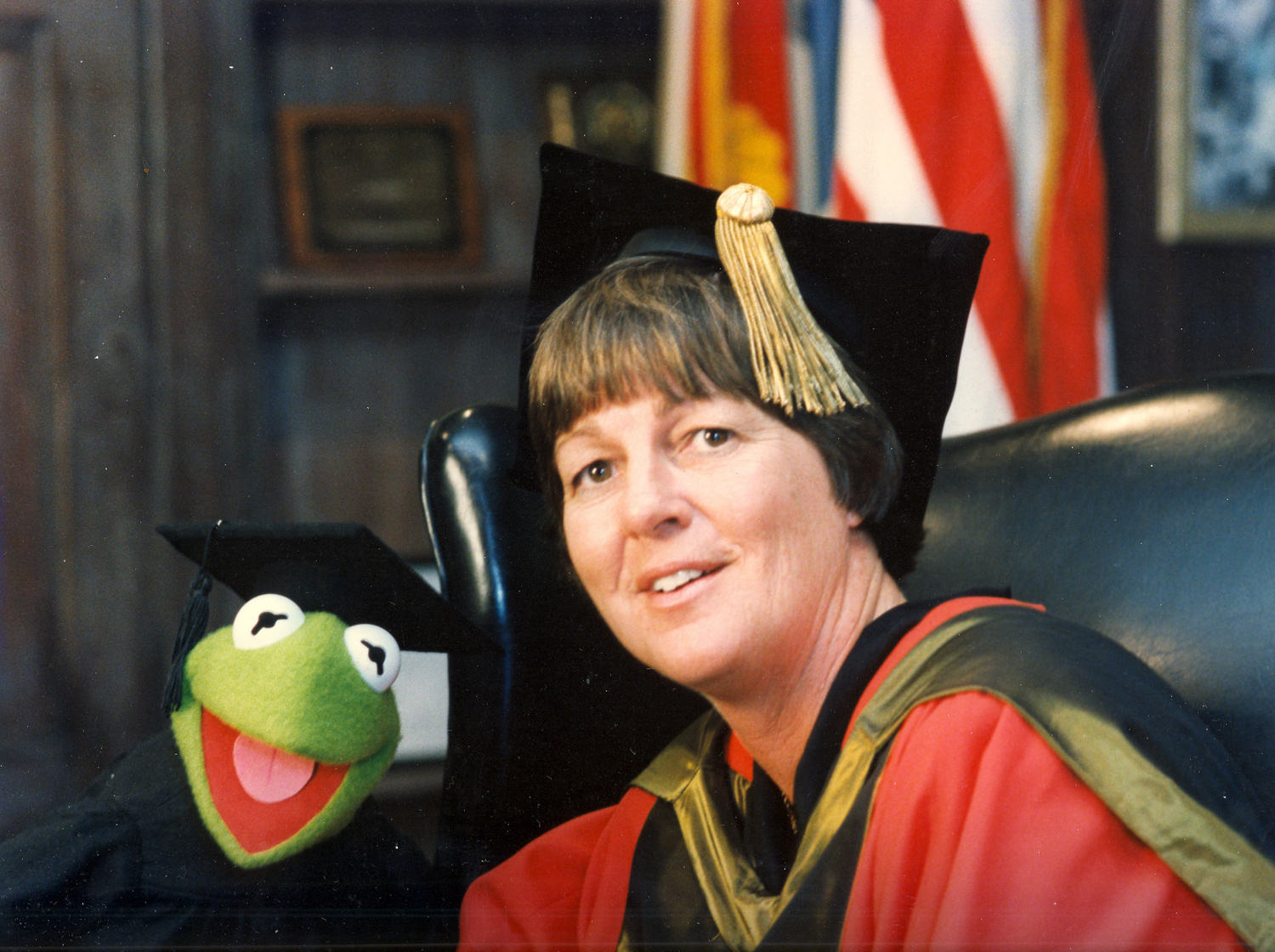
Sandy Shumway, pictured with another notable Southampton College alum, Kermit the Frog. He received an honorary degree from the college.

Southampton College graduate Sandy Shumway
Across four decades, Southampton College turned out countless graduates who would go on to make an impact — be it in a professional arena, the communities where they live, or both.
These are some of the biggest names who once called the East End home — and, in some cases, still do.
Richard ‘Juni’ Wingfield
There is perhaps no one who personifies the spirit of the greater Southampton community more than Richard “Juni” Wingfield.
Wingfield, a 1965 graduate of Southampton High School, earned a degree in sociology and education from Southampton College in 1972 after he was drafted for military service in Vietnam. He received a full scholarship for basketball and was named captain of the team, leading the Colonials to the Elite Eight. He was also president of the Black Student Union.
Upon graduation from Southampton College, Wingfield taught at the Hampton Day School for two years before moving on to grassroots community-based work, which has become his greatest legacy. In 1974, Wingfield and Robert North started an after-school program for minority and underserved students, which they grew rapidly over the years. It evolved into a nonprofit that, through the 1970s and 1980s, served as many as 500 students across a 50-mile radius.
In the late 1980s, Wingfield joined the Southampton Union Free School District as what eventually would be called a “community liaison.” He positively affected the lives of hundreds of students across three generations before his retirement in 2020. He is also a well-respected coach — leading both the girls tennis and girls basketball teams in the district for over three decades. He is currently in his 34th year as the varsity head coach of the Southampton girls basketball team.
In 1999, Wingfield earned an honorary doctorate in humane arts from Southampton College.
Carl Johnson
A longtime Bridgehampton resident, Carl Johnson graduated from Southampton College in 1983, after playing point guard for the men’s basketball team. A 1979 graduate of Bridgehampton High School, he went on to coach his alma mater and became the first person in New York history to win state titles both as a player and a coach.
Johnson was unanimously inducted into the New York State Basketball Hall of Fame and the Suffolk Sports Hall of Fame. As a player, he won three state championships at Bridgehampton, and he led the Killer Bees to four state titles as a coach.
Johnson coached the Killer Bees for 26 years before what would be a brief retirement. He came out of retirement last year to lead Bridgehampton again.
Bridgehampton has won a total of nine state championships, second in the state only to Mount Vernon, which has 11.
In addition to working and coaching at Bridgehampton School, Johnson also pours a significant amount of his time and energy into the Bridgehampton Child Care & Recreational Center, where he will soon become its athletic director.
Fred W. Thiele Jr.
New York State Assemblyman Fred W. Thiele Jr. says he owes his long and illustrious career in politics to Southampton College.
After completing his freshman year at Cornell University in 1972, Thiele returned home to the East End for family reasons and needed to work while he continued his education at Southampton College. The transfer, and a sizable scholarship offered by the school — which he described as “a lifeboat in a time of personal difficulty” — allowed for both.
Hampton Bays resident Don Baker, a Southampton College professor at the time, signed on as Thiele’s mentor, helping him secure an internship in the New York State Assembly in 1975. He graduated the following year and earned his law degree from Albany Law School.
Thiele served as Southampton Town attorney from 1982-1987, followed by terms in the Suffolk County Legislature and then as Southampton Town supervisor, before being elected to the New York State Assembly in 1985. He is currently serving his 13th term.
“I often wonder where I would have ended up if [Southampton College] had not been here in my time of need,” he said. “Would I have ever gone back to school? It is why I have such a passion for the campus? How many other young locals kept their dreams alive because of the college? And how many will fulfill their dreams in the future with a campus that reaches its full potential?”
Andreas Lindberg
Andreas Lindberg, a native of Sweden, enrolled at Southampton College in 1998 to play on the men’s soccer team. He initially planned to stay for just one year — to help raise his profile in pursuit of his dream to play professionally — but he wound up staying for four, playing under former coach Ed Goodhines from 1998 to 2001. He would become the college’s fourth all-time leading scorer.
When Goodhines stepped down as coach after Lindberg’s senior year — he graduated in 2002 — athletic director Mary Topping asked him if he would assume the coaching mantle, even though he was only 24 years old and still technically a student, pursuing his final year of coursework. Lindberg transitioned seamlessly, leading the team to a winning record during his short tenure, which lasted until 2005, when the school closed and all athletic programs were disbanded.
But it was long enough for Lindberg to realize that coaching was his destiny. He started the Southampton Soccer Club youth program in 2007. Now operating under the name of Southampton Town United, it is one of the most successful youth soccer programs on Long Island, drawing hundreds of players from the East End and beyond — even as far as New York City.
He remained at the helm of the club while also rising in the collegiate coaching ranks. He was hired as head coach at C.W. Post-Long Island University in 2009 and, under his guidance, the Colonials were a Division II powerhouse, frequently ranked in the top 10 nationally and making the NCAA Division II tournament seven times.
His success there led to a job offer from Division I Seton Hall University in New Jersey, where he remains. He has turned the Pirates program around, leading them to a Big East Championship win in 2021 — the first time the program had won that title since 1991. He recently finished his sixth season at Seton Hall and, in that time, he has led the Pirates to two NCAA Division I tournament appearances. Over 18 years of coaching at the collegiate level, Lindberg entered his most recent season with a .706 winning percentage.
Sandy Shumway
Sandy Shumway graduated summa cum laude from Southampton College in 1974 with a degree in Marine Science. As a Marshal Scholar, she earned her PhD in Marine Science from University College of North Wales in 1976, and was awarded a D.Sc. from the same institution in 1992.
Shumway is currently Research Professor Emerita of Marine Science at the University of Connecticut. She specializes in physiological ecology of marine invertebrates, shellfish biology, aquaculture, impacts of harmful algal species on shellfish, and biofouling. Dr. Shumway is very active in the National Shellfisheries Association. She was the only woman to serve as their president in the first 100 years of the association. She is an AAAS Fellow and has published more than 200 peer-reviewed papers, edited nine books, and is currently editor-in-chief of two international journals. She continues with her research, writing and advising students at UConn.
Harriett Crippen Brown Gumbs
Harriett Crippen Brown Gumbs, a member of the Shinnecock Nation, died in November 2020 at the age of 99. She was many things in her long life — a feminist, activist, historian and educator. She paved the way for women to speak during tribal meetings and to vote, and led the charge in a 1950s court case that threatened Shinnecock land, playing an integral role in the initial phase of the tribe’s federal recognition.
Gumbs ran the Shinnecock Outpost business on Montauk Highway for many years. Among her impressive achievements, she — at the age of 51 — enrolled at Southampton College, graduating summa cum laude in just three years with dual bachelor’s degrees in history and education in 1975. Four years later, she would go on to earn her master’s degree in legal studies from the Antioch School of Law for Native Americans in Washington, D.C., before returning to Shinnecock to assist the nation with historical research for its federal recognition petition.


 Cailin Riley on Jan 3, 2024