


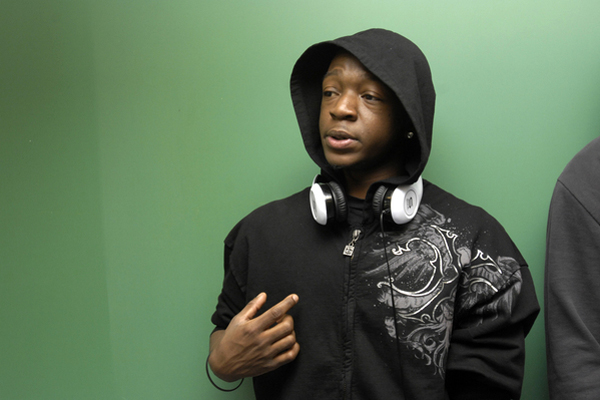
 7 Photos
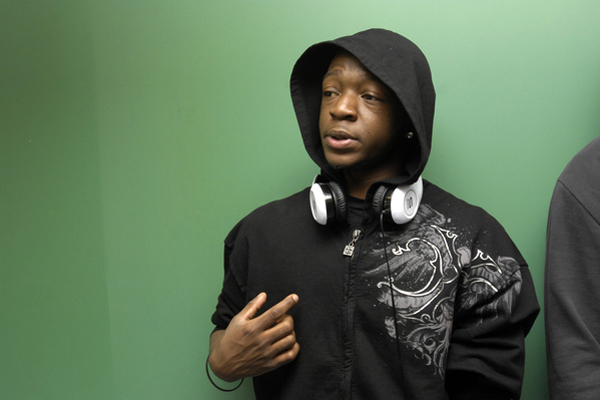
High School student Ricky Brumsey.

Students at Southampton Intermediate School are wearing hoodies in support of Trayvon Martin. DANA SHAW

Tavia Jeffries an eighth grade student, right, started the group. DANA SHAW

Tavia Jeffries an eighth grade student, right, started the group. DANA SHAW

A system being installed in Flanders. DANA SHAW
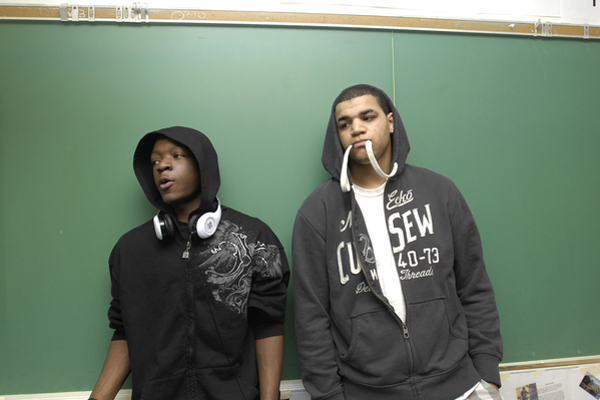
High School students Ricky Brumsey and Devon Trent. DANA SHAW
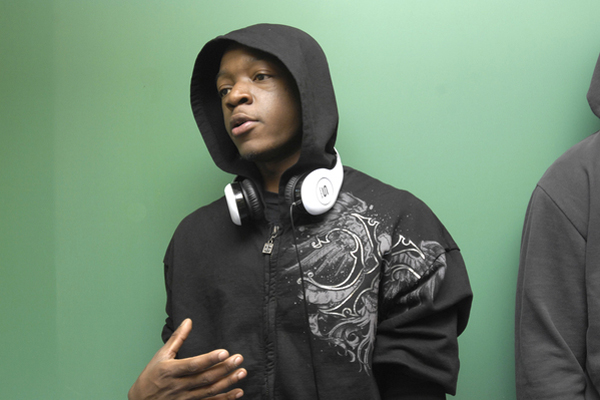
High School student Ricky Brumsey.
Every Friday until the end of the school year, students attending Southampton intermediate school and high school will don hooded sweatshirts, or “hoodies,” in remembrance of Trayvon Martin, the unarmed black teenager who was shot and killed earlier this year while visiting his father in a gated community in Florida.
On February 26, the 17-year-old, who was wearing his sweatshirt’s hood over his head and carrying a bag of Skittles and a can of iced tea, was approached by neighborhood watch volunteer George Zimmerman, who is Hispanic. Just minutes before, Mr. Zimmerman had called police to report that Mr. Martin was on the grounds and acting suspiciously. A scuffle ensued and Mr. Zimmerman fatally shot Mr. Martin; Mr. Zimmerman was not immediately arrested because he alleged that the shooting was in self-defense.
After several weeks of public outcry and testimonies, prosecutors charged Mr. Zimmerman with second-degree murder. The ongoing case has since become a catalyst for discussion about racial profiling and gun violence across the country, and protesters in several states have put on hoodies in support of Mr. Martin, calling for justice to be served.
Seeking to join in on the discussion, Southampton middle and high school students have decided to ignore their district’s dress code once a week—with Schools Superintendent Dr. J. Richard Boyes’s permission—and wear their hoods to spread awareness about gun violence and to oppose those who judge people solely on their appearances. Their gesture is meant to challenge the idea that fashion choice determines the character of the wearer.
“It feels good to know you’re wearing it for a good cause,” said seventh-grader Cecilia Scheuer last Friday.
That day approximately 20 intermediate and high school students gathered in a classroom, some with their hoods on, to discuss why they’ve decided to protest. Several students expressed sadness over Trayvon Martin’s death and voiced concern about how Mr. Zimmerman assumed the teenager was dangerous based solely on how he looked.
“It’s terrible,” one student said. “You can’t just assume things.”
“We want to show people that you should never judge people by just looking at them,” another student added.
“It was wrong,” said Ricky Brumsey, a high school junior. “I wear my hoodie every day in respect for him.”
Seventh-grader Tavia Jeffries, who got the movement started among her classmates, said students carry cards with them to explain why they are wearing their hoods. “We’re wearing our hoods to protest and raise awareness about gun violence, racism and racial profiling in memory of Trayvon Martin,” said Tavia, reading off her card. “I ask that you respect my peaceful protest.”
Many of the students chimed in and said that a lot of their friends and families do not know a lot about the case and wearing a hood has offered them chances to talk about it.
“This gives them an opportunity to have a voice,” Tavia’s mother, Natasha Jeffries, said. “They’re also a part of something that’s happening across the country, and they’re doing it on a small scale in Southampton.”
Ms. Jeffries, a teacher’s assistant in special education at the high school, helped Tavia get the movement started just weeks after she heard about the tragedy.
“When I realized that a young man who was old enough to be my brother was shot because of how he was perceived to look, I thought that it could’ve been avoided,” Tavia said. According to her mom, Tavia saw the protests people were holding across the country and asked her why Southampton students couldn’t do the same.
Stressing the importance of sending a positive message, Ms. Jeffries encouraged Tavia to get her friends together after school and talk about what they could do. “I said let’s go through the proper channels and do this in a peaceful way,” Ms. Jeffries said.
At about the same time, a group of high schoolers approached English teacher Nature Richard about starting a similar peaceful protest. Knowing that Ms. Jeffries was involved with Tavia’s group, Ms. Richard reached out to Ms. Jeffries.
“When young people can come together themselves, especially at 13 and 14, 16 and 17, and say, ‘Let’s do something!’ and actually see it through, it has more of a meaning,” Ms. Jeffries said.
While wearing hoods and hats is against his district’s dress code, Dr. Boyes said he wholeheartedly supports the students’ expression of free speech.
“Our students are making a sincere effort to express free speech respectfully and to hopefully stimulate dialogue about how and why people have unfair perceptions of those who may appear different,” he said. “Our students are living it and helping us to learn.”


 Shaye Weaver on May 1, 2012